Mon–Sat 9:30am–5:30pm • Sun Closed
Mesmerising Beauty

What are the disadvantages of henna brows?

Quick Answer

The main disadvantages of henna brows include longer processing time (20-30 minutes vs 10-15 for regular tint), potential for initially darker results than expected, faster fading on oily skin types, specific aftercare requirements, and unsuitability for certain skin conditions. Despite these drawbacks, most clients find the fuller, longer-lasting results outweigh the limitations.

Comprehensive Answer

Comprehensive Answer

### Extended Processing and Appointment Time Unlike traditional brow tinting that develops in 10-15 minutes, henna requires 20-30 minutes to properly oxidise and achieve optimal colour depth. This extended timing is necessary for the natural plant dyes to fully react and create that characteristic rich, warm tone. For those with tight schedules, this additional 10-15 minutes can be inconvenient. However, many clients use this time to relax, check emails, or simply enjoy a peaceful break. At professional salons like Mesmerising Beauty, the comfortable environment makes the extra time feel less like a disadvantage and more like a mini self-care session. The overall appointment length—including consultation, preparation, application, processing, and removal—typically runs 35-45 minutes for henna brows compared to 20-25 minutes for standard tinting. ### Initial Colour Intensity Can Appear Too Dark Perhaps the most common concern clients express after their first henna brow treatment is that the colour appears darker than expected immediately after application. This initial intensity is completely normal and temporary, but it can be startling if you're unprepared. Henna colour develops its true shade over 24-48 hours as the dye fully oxidises. The first day, your brows may look 1-2 shades darker than the final result. This temporary darkness is most noticeable on fair skin tones or for those choosing medium to dark henna shades. Professional application by an experienced technician minimises this issue. At Mesmerising Beauty, Yogita adjusts the henna shade and processing time based on your desired final colour, accounting for the initial darkening effect. She'll also explain what to expect during the first 48 hours so you're not surprised by the natural colour evolution process. ### Faster Fading on Oily Skin Types While henna's skin-staining property is one of its greatest advantages for creating full-looking brows, this benefit is significantly reduced for those with oily or combination skin. The natural sebum production breaks down the henna pigment more quickly, shortening the skin staining duration from 2-4 weeks to just 10-14 days in many cases. The hair colouring component still lasts 4-6 weeks regardless of skin type, but the "filled-in" effect that makes henna particularly appealing may not persist as long as desired. This doesn't make henna unsuitable for oily skin—it simply means expectations should be adjusted, and touch-ups may be needed more frequently. ### Strict Aftercare Requirements The first 24-48 hours after henna application are critical for colour development and longevity. During this period, you must avoid: - Water contact on the brow area (challenging when washing your face) - Steam from showers, saunas, or hot yoga classes - Oil-based skincare products near the brows - Swimming or excessive sweating - Exfoliating products or treatments These restrictions, while temporary, require planning around your henna appointment. Scheduling your treatment before a weekend or during a period when you can easily avoid these activities makes compliance easier. Some clients find these limitations frustrating, especially if they forget and accidentally wet their brows during the crucial initial period. ### Incompatibility with Certain Skin Conditions Henna brows are not suitable for everyone. Specific contraindications include: **Active Skin Conditions**: Eczema, psoriasis, dermatitis, or other inflammatory skin conditions in the brow area may react poorly to henna. The treatment can irritate already sensitive or compromised skin. **Recent Chemical Treatments**: If you've had chemical peels, laser treatments, or microdermabrasion within the past two weeks, henna application should be postponed. These treatments create increased skin sensitivity and absorption that can lead to uneven or excessively dark results. **Certain Medications**: Blood thinners, topical retinoids, or medications that increase skin sensitivity may be contraindicated. Always disclose medications during your consultation. **Allergy Concerns**: While pure henna is generally well-tolerated, some formulations may contain additional ingredients that trigger allergic reactions. A patch test 24-48 hours before your first treatment is essential. ### Limited Colour Range and Customisation Compared to synthetic tints that offer cool ash tones, henna naturally produces warm shades ranging from auburn to deep brown. If you desire cool-toned, ashy brows, henna won't achieve this effect. The warm undertones are inherent to the plant-based dye and cannot be neutralised. Additionally, creating very light, subtle colours is challenging with henna. The minimum viable shade tends to be medium-light brown. For those wanting barely-there tinting on naturally dark brows, traditional tinting offers better control over subtlety. ### Potential for Staining Beyond the Brow Area During application, henna can stain surrounding skin if it's not carefully placed. While professional technicians minimise this risk, minor staining on the forehead or eyelid can occasionally occur. These accidental marks typically fade within a few days but can be embarrassing immediately after treatment. This is why choosing an experienced, detail-oriented technician is crucial. The precision required for clean henna application is greater than for traditional tinting. ### Higher Cost Than Standard Tinting Henna brow treatments generally cost £10-15 more than traditional tinting, reflecting the premium product, longer appointment time, and specialised application skill required. While the cost difference isn't substantial, budget-conscious clients may view this as a disadvantage, particularly if they require frequent touch-ups.

Experience Professional Henna Brows at Mesmerising Beauty

**Available at both locations**: - **Newcastle City Centre**: Conveniently located for easy access during your day in town. - **Gosforth**: Relaxed neighbourhood salon with experienced brow specialists. **Our Brow Services**: - Henna Brow Treatment: £18 | 30 minutes - Traditional Eyebrow Tint: £8 | 15 minutes - HD Brows (comprehensive brow shaping): £28 | 45 minutes [Book Now - Expert Consultation Included]

Expert Insight from Yogita

25+ Years Experience

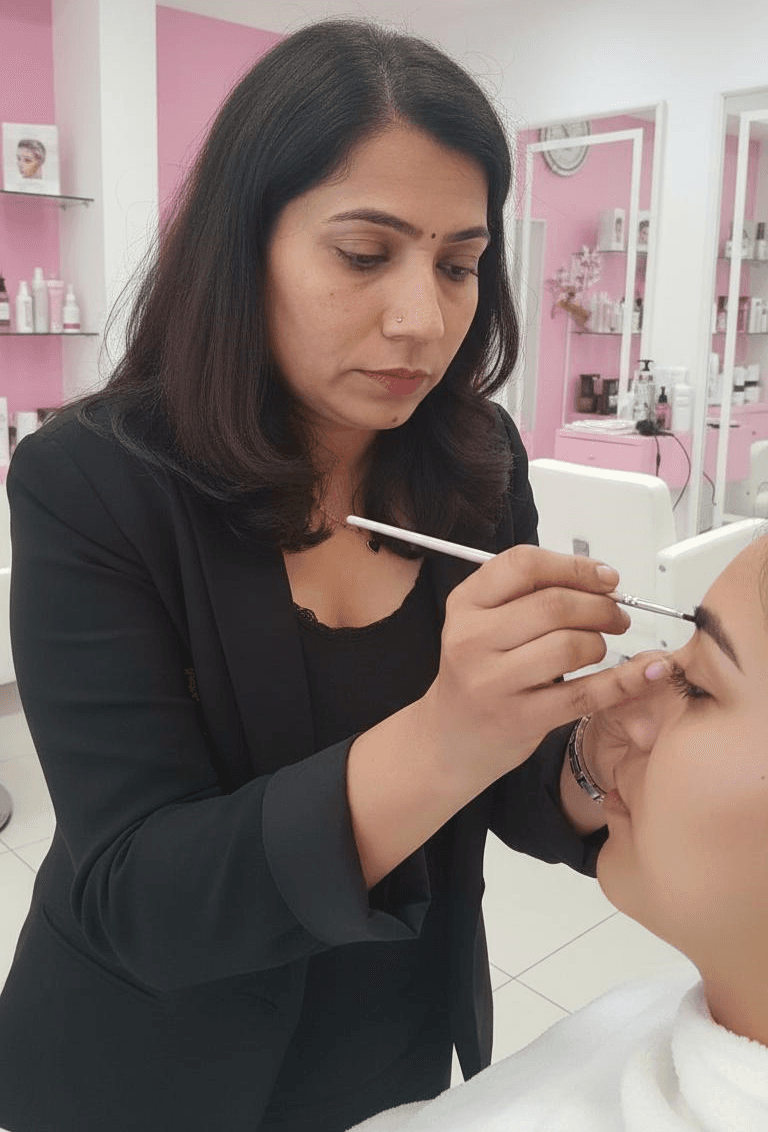
Transparency about treatment limitations is just as important as highlighting benefits. Over my 25 years in the beauty industry, I've learned that managing expectations prevents disappointment. When clients understand henna's characteristics—including its drawbacks—they're prepared for the experience and almost always delighted with the results. The disadvantages of henna brows are generally minor and manageable compared to the dramatic improvement in brow fullness and definition. At Mesmerising Beauty, we conduct thorough consultations to ensure henna is the right choice for your lifestyle, skin type, and brow goals. If we determine traditional tinting or HD Brows would better serve your needs, we'll recommend those alternatives honestly.

Why this matters: Yogita's commitment to honest consultation means you'll never receive a treatment that isn't suited to your circumstances. Her extensive experience allows her to identify potential issues before they occur and adjust techniques to minimise any disadvantages specific to your skin type or brow characteristics.

Related Questions You Might Have

Experience Expert Henna Brow Gosforth at Mesmerising Beauty

Our Gosforth Salon

77 High Street, Gosforth
Newcastle upon Tyne NE3 4AA

Mon–Sat 9:30am–5:30pm

Service Details

Henna Brow Gosforth
Ready to book?

Secure your slot in seconds.