What is the downside of threading?
Quick Answer
Threading's main disadvantages include temporary skin irritation and redness, varying pain levels especially for sensitive areas, potential for ingrown hairs if aftercare isn't followed, and dependency on practitioner skill for safe, effective results. While generally gentler than waxing, threading isn't completely pain-free and may not suit everyone's pain tolerance or skin type.
Comprehensive Answer
Pain and Discomfort Considerations
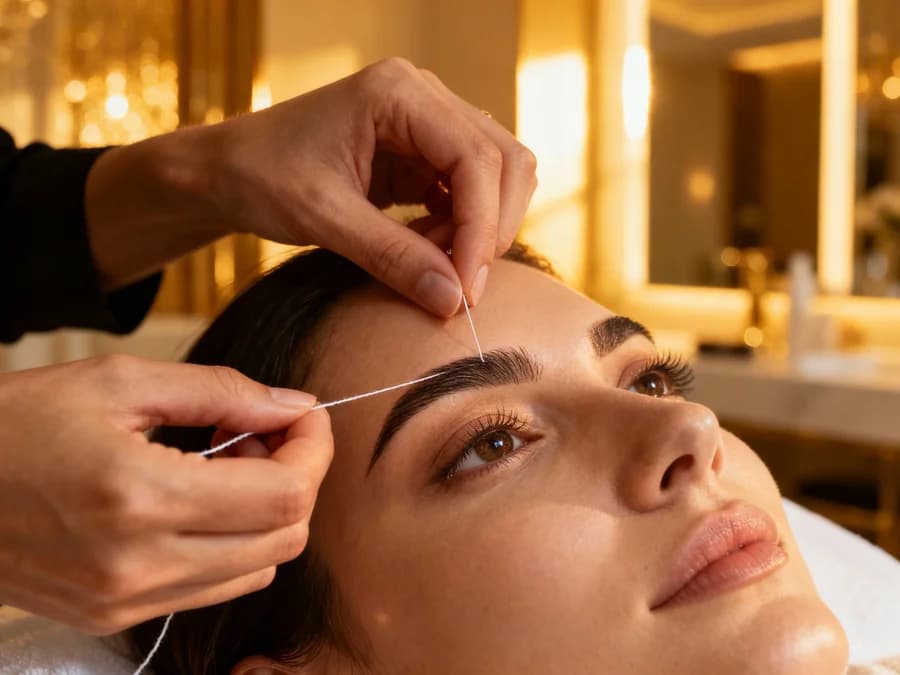
Let's address the elephant in the room: threading can be uncomfortable, particularly during your first few sessions. The sensation differs from person to person, but most describe it as a series of quick pinches as multiple hairs are pulled simultaneously. Areas with dense hair growth or sensitive nerve endings—like the upper lip or areas close to the nose—tend to be more tender than eyebrow threading.
The pain factor improves significantly with regular threading. Your first appointment will likely be the most uncomfortable because you're removing the most hair. Subsequent visits become progressively easier as you're only maintaining the shape rather than creating it from scratch. Many regular threading clients report barely feeling the treatment after their third or fourth session.
Individual pain tolerance plays a huge role. Some clients find threading less painful than waxing because there's no hot wax involved and no sudden pulling sensation. Others find the continuous plucking motion more bothersome than wax's quick rip-and-done approach. If you have very sensitive skin or low pain tolerance, threading might feel too intense, especially for larger areas like full face threading.
Skin Reaction and Sensitivity Issues
Even when performed perfectly, threading can cause temporary skin reactions. Redness is almost universal immediately after treatment, particularly noticeable on fair skin. This flushing usually subsides within 30 minutes to 2 hours, but occasionally lasts longer if you have very reactive skin.
Some people develop small bumps or mild swelling around the treatment area, especially after upper lip or eyebrow threading. This reaction happens because threading stimulates the skin and temporarily inflames the hair follicles. While normal and usually harmless, it can be problematic if you have an important event immediately after your appointment.
Threading on acne-prone or currently broken-out skin presents challenges. The thread can't distinguish between hair and pimples, potentially irritating existing blemishes or spreading bacteria across the treatment area. If you're experiencing an active breakout, postponing your threading appointment until your skin clears prevents complications.
Certain skin conditions make threading inadvisable. Active rosacea, eczema flare-ups, or open cuts and abrasions in the treatment area mean you should skip threading until your skin heals. The physical friction of thread against compromised skin can worsen these conditions or slow healing.
The Skill Factor
Threading results depend entirely on your practitioner's expertise, and this variability is a genuine downside. An inexperienced threader can break hairs at the surface instead of removing them from the root, leading to stubble, uneven results, or an awkward shape that takes weeks to grow out and correct.
Poorly executed threading can also damage skin. Thread pulled too tightly against your skin can cause friction burns, particularly on delicate areas like the upper lip. An untrained practitioner might thread too close to the skin surface, creating superficial abrasions that sting and take days to heal.
Finding a consistently skilled threading professional takes trial and error. Unlike waxing where product quality plays a significant role, threading success relies almost purely on technique. This means moving cities, changing salons, or losing your regular therapist can disrupt your threading routine significantly.
Practical Limitations
Threading doesn't work well for all areas or hair removal needs. It's primarily a facial hair removal method—using threading for legs, arms, or large body areas would be impractically time-consuming and likely uncomfortable. If you need comprehensive body hair removal, you'll need to combine threading with other methods.
The treatment requires letting hair grow to a certain length before threading can effectively catch it. You can't thread skin that's been recently shaved or waxed until there's at least 2-3mm of hair growth. This growth period can feel awkward if you're used to completely smooth skin.
Regular threading appointments require time and financial commitment. Unlike shaving which you can do at home, threading needs professional application, meaning regular salon visits. Depending on your hair growth rate, you might need appointments every 2-4 weeks to maintain results, which adds up in both time and cost.
Experience Expert Threading at Mesmerising Beauty
Visit Our Gosforth Salon:
- Gosforth: Accessible city-center location with experienced threading specialists who prioritize your comfort throughout the treatment.
- Gosforth: Neighborhood salon offering a relaxed atmosphere and personalized threading services with attention to your specific needs.
Our Threading Services:
- Eyebrow Threading: £10 | 15 minutes
- Upper Lip Threading: £5 | 5 minutes
- Full Face Threading: £25 | 30 minutes
Book Your Threading Consultation - Available on Treatwell, Fresha, and Booksy
Expert Insight from Yogita
I'll be honest with clients—threading isn't for everyone, and that's perfectly okay. Some skin types react more sensitively, and some people's pain tolerance just doesn't align with this method. At Mesmerising Beauty, I always conduct a patch test for new threading clients and discuss their skin history before proceeding. Part of my expertise is recognizing when threading might not be the best option and recommending alternatives like waxing or trimming instead.
Why this matters: Yogita's honest approach means you'll never receive a treatment that isn't right for your skin or comfort level. Her 25+ years of experience allow her to assess individual situations and provide genuine recommendations rather than pushing one-size-fits-all solutions. This client-focused approach ensures better results and happier customers who trust her professional judgment.
Related Questions You Might Have
What does threading actually do?
Threading uses twisted cotton thread to remove multiple hairs simultaneously from the follicle root.
What are the disadvantages of face threading?
Face threading shares threading's general downsides but can be more uncomfortable on sensitive facial areas.
What are the downsides of eyebrow threading?
Eyebrow threading can cause temporary redness and requires precise skill to achieve symmetrical, flattering shapes.
Do dermatologists recommend threading?
Most dermatologists approve threading for its chemical-free approach, though they note the importance of skilled application.