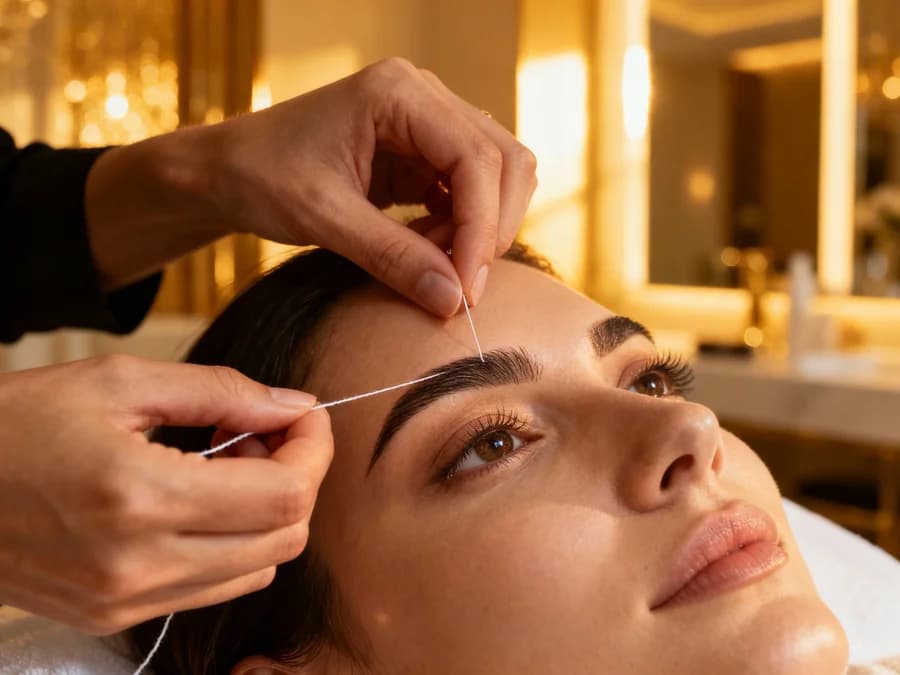
Do dermatologists recommend threading?
Quick Answer
Yes, most dermatologists recommend threading as a safe and effective facial hair removal option, particularly for people with sensitive skin or those who react to wax ingredients. Dermatologists appreciate threading's chemical-free approach and minimal skin contact, though they emphasize the importance of choosing experienced practitioners and following proper aftercare to prevent complications.
Comprehensive Answer
Why Dermatologists Support Threading
Dermatologists favor threading for several evidence-based reasons. The technique doesn't introduce chemicals, heat, or foreign substances to your skin—it's simply cotton or polyester thread against your face. This mechanical-only approach eliminates concerns about allergic reactions to wax resins, chemical depilatories, or fragranced products that commonly trigger skin sensitivities.
The minimal skin contact threading requires makes it safer for people with certain skin conditions. Unlike wax that adheres directly to skin and pulls when removed, thread only touches the hair itself. This selective contact reduces trauma to the skin surface, making threading appropriate for clients taking retinoids, using anti-aging actives, or managing conditions like rosacea or eczema (during non-flare periods).
Threading's precision also earns dermatological approval. The ability to remove individual hairs or specific sections without affecting surrounding skin means less overall disruption to the skin barrier. This targeted approach prevents the collateral damage that can occur when wax pulls not just hair but also surface skin cells.
Professional Recommendations and Caveats
While generally supportive, dermatologists do offer important caveats. They stress that threading quality depends entirely on practitioner skill. A poorly trained threader can cause the same problems as any substandard beauty treatment—skin irritation, follicle damage, or infection if hygiene standards aren't maintained.
Dermatologists particularly warn about threading over active acne or inflamed skin. Even though threading doesn't use chemicals, the physical action can spread bacteria across the treatment area or irritate existing blemishes. They recommend waiting until breakouts clear before scheduling threading appointments.
For patients on certain medications—particularly blood thinners, isotretinoin (Accutane), or high-dose vitamin A—dermatologists may suggest extra caution or alternative hair removal methods. These medications can thin skin or affect healing, potentially increasing threading's risk of causing minor abrasions or prolonged redness.
When Dermatologists Prefer Threading Over Alternatives
Dermatologists actively recommend threading over other methods in specific scenarios. For patients undergoing professional skin treatments like chemical peels, laser therapy, or microneedling, threading becomes the preferred hair removal method during healing periods when waxing would be too aggressive.
Sensitive skin patients receive strong threading recommendations. The absence of adhesives, heat, and chemicals makes threading the gentlest professional hair removal option for reactive skin types. Dermatologists note that clients who've had bad reactions to wax or depilatory creams rarely experience similar issues with threading.
Threading also gets dermatological approval for maintaining eyebrow shape after treatments like microblading or tattooing. The precise control threading offers means you can remove stray hairs without disturbing the tattooed area—something that's riskier with wax's less controlled application.
Experience Expert Threading at Mesmerising Beauty
Visit Our Gosforth Salon:
- Gosforth: Professional threading services with dermatologically-informed practices and attention to skin health.
- Gosforth: Experienced threading specialists who understand skin sensitivities and work safely with all skin types.
Our Threading Services:
- Eyebrow Threading: £10 | 15 minutes
- Upper Lip Threading: £5 | 5 minutes
- Full Face Threading: £25 | 30 minutes
Book Your Safe Threading Appointment - Available on Treatwell, Fresha, and Booksy
Expert Insight from Yogita
I work closely with clients who come to me on their dermatologist's recommendation, particularly those managing skin conditions or using prescription treatments. My 25+ years of experience taught me to recognize when someone's skin needs extra care or when threading should be postponed. I always ask about medications, recent cosmetic procedures, and skin sensitivities before beginning treatment—this consultation process is crucial for safe, effective results.
Why this matters: Yogita's professional approach aligns with dermatological best practices. At Mesmerising Beauty, she prioritizes client safety over making a quick sale, ensuring threading is appropriate for your individual skin situation. This medical-grade attention to contraindications and individual assessment sets professional threading apart from rushed, assembly-line services.
Related Questions You Might Have
What does threading actually do?
Threading removes hair from the follicle root using twisted cotton thread in a precise, controlled manner.
Is threading really better than waxing?
Threading offers advantages for sensitive skin and precision work, though both methods have their place.
What is the downside of threading?
Threading can cause temporary redness and discomfort, particularly for first-time clients or sensitive areas.